
Keeping up with the demands of work and home often feels overwhelming for working moms. When every minute matters, it’s easy for important tasks to slip through the cracks. Taking control of your week starts when you organize your task list in a way that fits your schedule and your life. Small changes can make a big difference, letting you focus on what matters without feeling scattered or behind. If you’re ready to find more calm and less chaos, these simple tips are your roadmap to a better week.
Identify Your Weekly Priorities
Before you start adding tasks to your weekly list, it’s important to pause and really think about what deserves your time most. As a working mom, your week fills up fast, so having clear priorities is like having a map — it guides each decision and helps you feel less scattered. By taking a few quiet minutes to focus on what matters, you can organize your task list in a way that fits not just your deadlines, but also your family’s needs and your personal goals.

Photo by Tatiana Syrikova
Recognize Urgent vs Important Tasks
Not all tasks are created equal. Some feel urgent, buzzing for your attention, but aren’t actually important in the big picture. Others directly support your family’s well-being or move you toward your long-term goals.
- Urgent tasks: Things with looming deadlines or immediate consequences if left undone (think: doctor’s appointments, time-sensitive work reports, daycare forms).
- Important tasks: Efforts that support your family, your career, or your own self-care and growth (like preparing for a family outing, meal prepping for the week, or scheduling time for yourself).
When you organize your task list, start by writing everything down. If you have a lot on your mind, try doing a quick brain dump to clear your head. Then, mark what’s urgent, but make sure you don’t ignore the important ones — these are what keep you and your family thriving, not just surviving.
Align with Family and Personal Goals
A well-organized week balances the needs of your household and your personal well-being. Each week, ask yourself what would make this week successful for both you and your family. Maybe it’s eating together three nights, finding an hour for self-care, or finally finishing that work project.
Use your goals as a filter:
- When faced with a long list, highlight tasks that fit with these goals.
- Say no or delegate when something doesn’t support what matters most this week.
- Share your priorities with your family or partner. It makes it easier to work as a team and support each other’s plans.
For extra help, try using printable planners or downloads that walk you through setting weekly intentions. The 2025 Free Planner Download is a great resource to make this process faster and simpler.
Set Weekly Intentions and Stick to Them
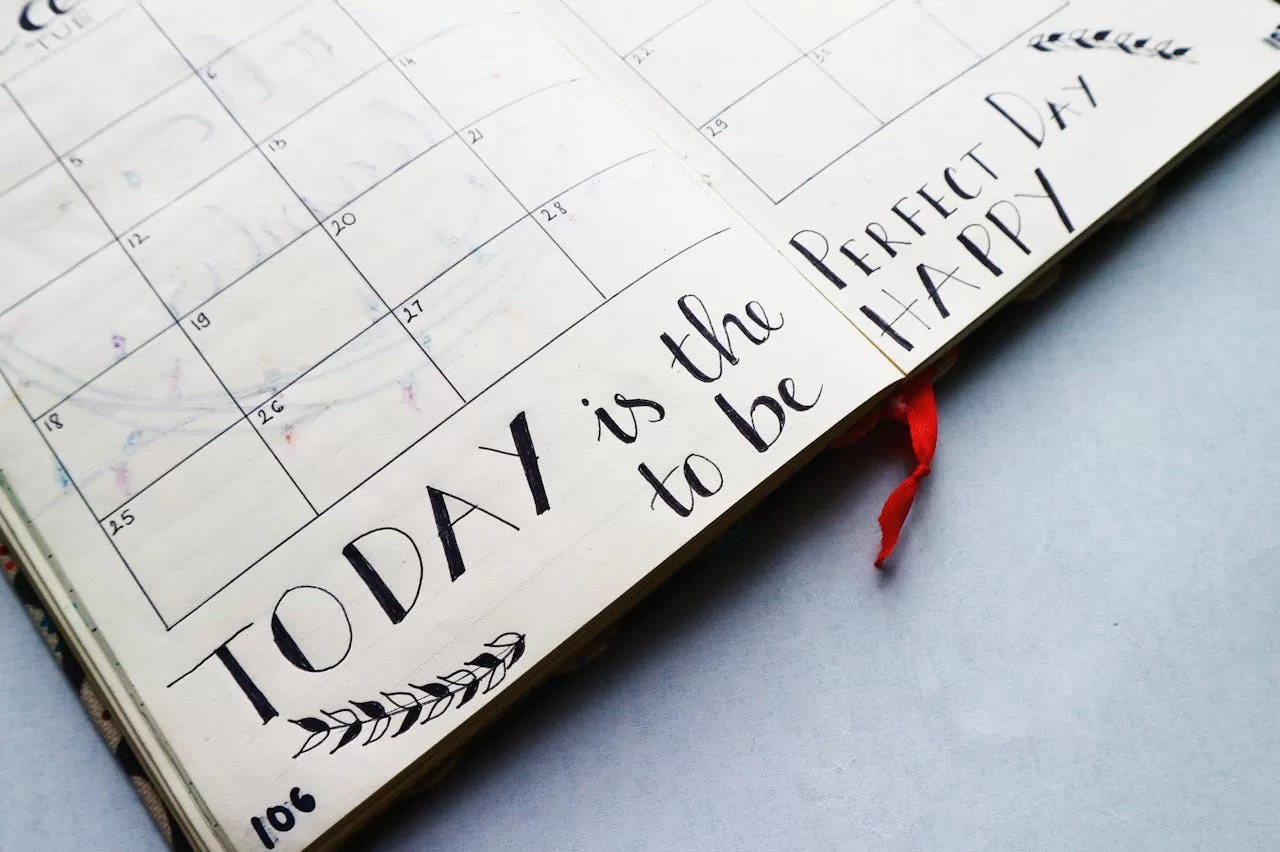
Photo by Bich Tran
Setting intentions helps you start the week with purpose instead of just reacting to incoming demands. These intentions are your “why” behind each task — they remind you what you’re working toward and help you let go of guilt around what doesn’t get done.
Keep your intentions visible. Write them at the top of your calendar or planner where you’ll see them daily. Each morning, glance at your list and ask, “Does today’s plan reflect what’s most important to me?” This small habit shapes your week before it even begins.
When life gets hectic, coming back to your priorities will help you organize your task list with less stress and more confidence. Real priorities keep you grounded, making it easier to focus on what truly matters — for you, your work, and your family.
Break Down Large Tasks Into Smaller Steps
Big projects can feel like mountains, especially with a never-ending to-do list and family demands. The good news is you can organize your task list by dividing those giant jobs into small, doable steps. Tackling tasks piece by piece brings clarity and helps you move forward, even on your busiest days.
Why Small Steps Make a Big Difference
Taking on a big task all at once is overwhelming. When you break it down, everything starts to feel possible. Each mini-step gives you a small win and a sense of progress, which keeps your motivation high.
Key benefits include:
- Reduced stress: Splitting big chores or projects prevents that “where do I even start?” freeze.
- More focus: It’s easier to work on one thing at a time instead of juggling everything at once.
- Less procrastination: Small steps feel less intimidating, so you’re more likely to get started.
- More flexibility: If you only have 10 minutes, you can knock out one part rather than ignoring the whole thing.
Examples for Working Moms: Making It Work
Breaking down tasks applies to all parts of your life, from work deadlines to managing the house. Here’s how this might look in action:
- Work Project: Instead of “finish client report,” your steps might be: gather data, outline main points, write introduction, fill in each section, proofread and email.
- Kids’ Schedule: Instead of “organize school week,” try: check the calendar for events, print lunch menus, confirm carpool, prep backpacks Sunday night.
- Household Chores: Instead of “clean the house,” split it into: clean kitchen counters, vacuum living room, wipe down bathrooms, fold laundry.
Use a notebook, planner, or an app to list out each step. Check them off as you go for an instant boost. For additional time-saving tips and tricks to manage home and work tasks, take a look at these time-saving tips for busy moms.
How to Break Down Your Own Tasks
To get started, think about everything that needs to happen for a task to be marked done. Make a quick list of each mini-action. Aim for steps that take 5 to 30 minutes each. If something still feels too big or vague, break it down even further.
Tips for success:
- Write out every step, even the tiny ones.
- If a part requires waiting (like a reply from someone), mark it so you can follow up.
- Add each step to your weekly task list, spacing them out so you never feel swamped.
By breaking large goals into smaller parts, you’ll organize your task list so it’s less scary and far more manageable. Progress adds up quickly, and you’ll find yourself meeting deadlines and keeping your home running smoothly—even when life is hectic.
Choose a Task List System That Works for You
The way you organize your task list can make all the difference when time is at a premium. No two families are alike and no single method will suit everyone. The best system fits the way you think, the tools you already use, and the busy rhythm of your week. Some moms thrive with tech gadgets that keep everything in sync, while others swear by the feel of pen on paper. Whether you lean digital or love paper, finding the right setup means less chaos and more wins.
Digital Apps for Busy Moms
Digital task managers are a lifesaver for many working moms, especially when you’re juggling work, school emails, and home chores all at once. The right app organizes your task list, sends gentle reminders, and syncs your schedule across every device you own. Here are a few top choices:
- Todoist: This app stands out for its clean interface and simple setup. You can sort tasks by project, set priorities, and schedule reminders. Todoist has smart features for recurring tasks—helpful for never missing garbage day or family game night.
- Google Keep: If you love sticky notes but need them to travel with you, Google Keep is worth a try. It lets you pin, color-code, and share quick lists or notes with your family. Voice-to-text captures quick ideas on the go and everything syncs automatically across devices.
- Cozi Family Organizer: Tailor-made for families, Cozi combines shared calendars, grocery lists, and appointment reminders. Each family member gets a profile, so schedules and shopping lists stay clear. Plus, you can access everything from your phone or laptop—ideal for managing school runs and meetings in one spot.
For a deep dive into balancing digital tools and mom life, visit the helpful productivity guides in the time-saving tips for busy moms section.
Paper Planners and Visual Boards
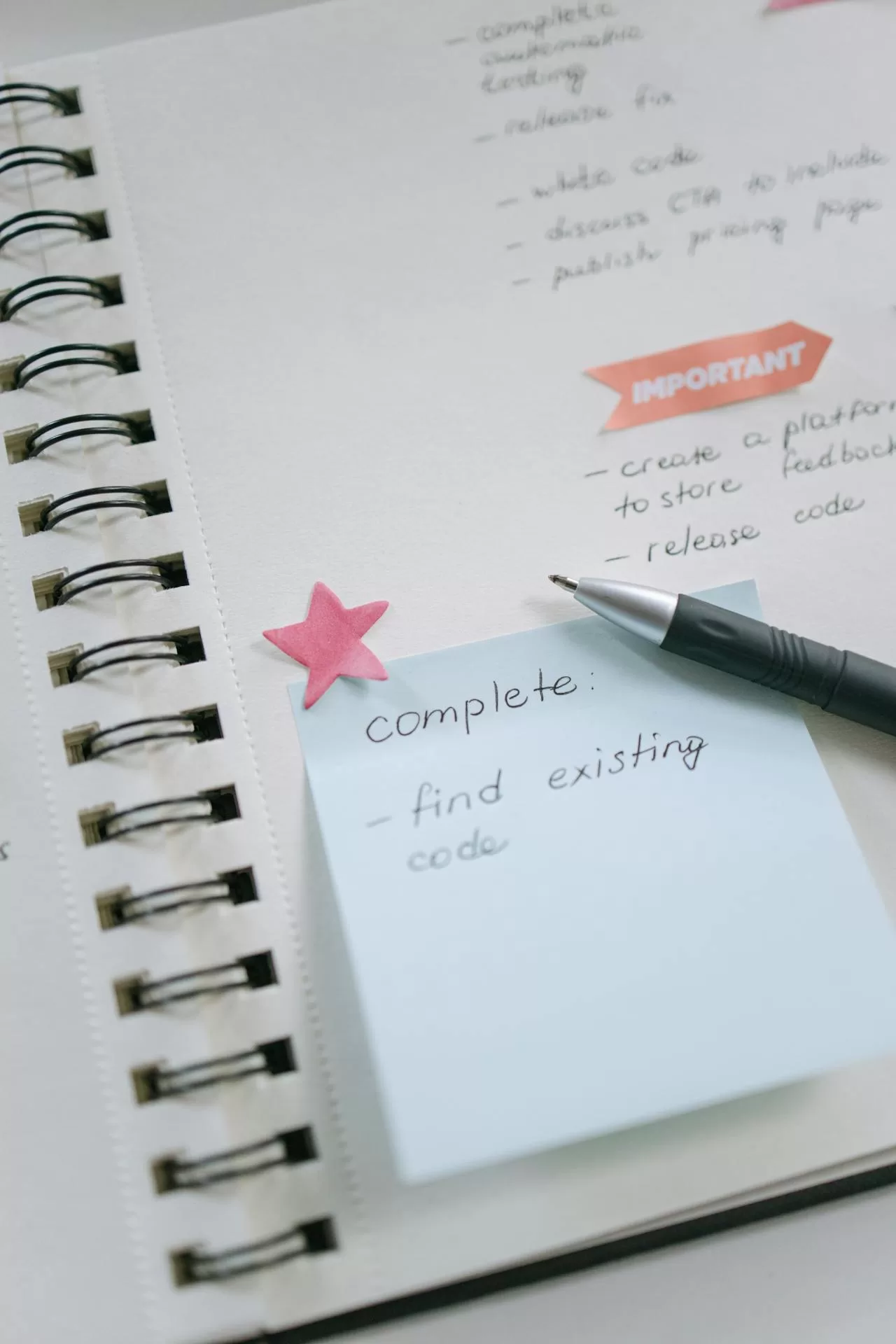
Photo by Ivan Samkov
For moms who prefer the feel of pen and paper or enjoy seeing plans laid out at a glance, traditional organization is still going strong. Tactile and visual tools bring a different kind of focus—sometimes, writing things down is what makes them stick. You can keep paper planners with you or display visual boards in high-traffic spots like the kitchen.
- Bullet Journals: These are flexible and fun to personalize. You can create sections for each part of your busy life, from grocery lists to birthday plans. Color coding, symbols, and doodles make it creative and quick to scan at a glance. I love this one!
- Magnetic Boards: Stick a whiteboard or magnetic board on the fridge. This lets everyone in the house see the weekly plan, check off finished chores, or update activities with just a swipe of a marker. Kids and spouses can join in, helping the whole family stay on track.
- Printable Planners: Sometimes you want the structure of a printed grid. Printable planners offer ready-to-use layouts for meal planning, to-do lists, and weekly scheduling. You can grab a new sheet as your week changes or add them to a binder for ongoing tracking.
The key benefit of paper and boards is visibility—seeing your organize task list front and center makes it harder to ignore and easier to review with your family at a glance. Choosing the right task list system gives you back precious time and creates a feeling of control when life feels hectic. Try a few options and tweak your format until organizing your week starts to feel like second nature.
Batch Similar Tasks Together
Managing a busy week as a working mom often means juggling childcare, work deadlines, errands, and household chores. When you organize your task list, try grouping similar activities together instead of switching between different types of work. Batching puts like-with-like, letting you focus longer with less mental energy spent shifting gears. This simple shift can unlock extra time and get tasks done with less stress.
What Is Task Batching?
Batching means setting aside specific blocks of time for tasks that are similar in nature. Instead of going from answering emails, to chopping veggies, to sorting laundry, you handle each type of task in one go. Doing this limits distractions and helps you stay absorbed in the work, making you much more efficient.
Think of it like meal prepping: rather than making three dinners on three separate nights, you cook or chop everything at once, saving time and clean-up. The same logic applies to other parts of your week.
Common Tasks to Batch for Busy Moms
Some activities naturally group together and flow better when done in batches. Here are a few common examples that can transform the way you organize your week:
- Emails and online messages: Set two or three times each day to handle your inbox instead of checking constantly.
- Household chores: Block off time to tackle cleaning (vacuuming all rooms or wiping surfaces) instead of doing it in random bursts.
- Errands: Combine trips out of the house, like grocery shopping, pharmacy runs, and post office visits, to minimize driving.
- Meal prep: Wash, chop, and prep ingredients in one session so weekday dinners come together fast.
- Phone calls or appointments: Schedule back-to-back calls or meetings rather than scattering them throughout the week.
- Work tasks: Batch similar tasks like reviewing documents, creative work, or client calls to avoid losing time re-focusing.
With batching, you reduce “switching costs”—the time and attention lost every time you move your brain from one mode to another.
How Batching Saves Time and Mental Energy
Constantly switching between types of tasks drains energy and makes it easy to lose track of what’s next. Batching streamlines your focus and helps you move into a “zone,” making you faster and more effective.
Key benefits of batching include:
- Sharper focus: When you know what you’re working on, distractions drop away.
- Faster completion: The brain works quicker when doing similar actions repeatedly.
- Fewer mistakes: Jumping between unrelated tasks leads to errors and missed steps.
- Lower stress: You feel in control because your attention isn’t scattered.
It’s like running errands in a single trip rather than going back and forth every day. The savings add up right away.
Sample Batching Schedule for a Busy Week
You don’t have to start big—pilot batching with one or two categories this week to see the impact. Here’s a sample schedule to help you organize your task list around batch blocks:
Monday:
- 8 am: Respond to work emails and schedule meetings for the week
- 10 am: Plan meals and prep snacks for the week
- 1 pm: Quick cleaning—wipe kitchen, vacuum living areas
Wednesday:
- 9 am: Run errands (groceries, post office, pharmacy)
- 2 pm: Batch phone calls (school, doctor’s office, work updates)
Friday:
- 7 pm: Family calendar update and weekend planning
- 8 pm: Finish up home chores (laundry, bathrooms, trash)
You’ll see the time and mental bandwidth you gain grows each week. Remember, you don’t have to batch everything—choose where it matters most for your life right now.
For more tips on making the most of every minute, explore quick workouts for busy moms to use those batching gains for self-care. With just a little planning, you’ll find yourself getting more done with less effort—and a lot more calm.
Review and Adjust Your Task List Daily
Staying organized isn’t just about making a great list once a week. Life as a working mom is full of surprises—school calls, sudden work meetings, and those everyday curveballs can shift your entire day. That’s why it’s smart to review and adjust your task list every single day. This habit helps you stay in control, handle real-life changes, and make sure your most important tasks don’t get buried.
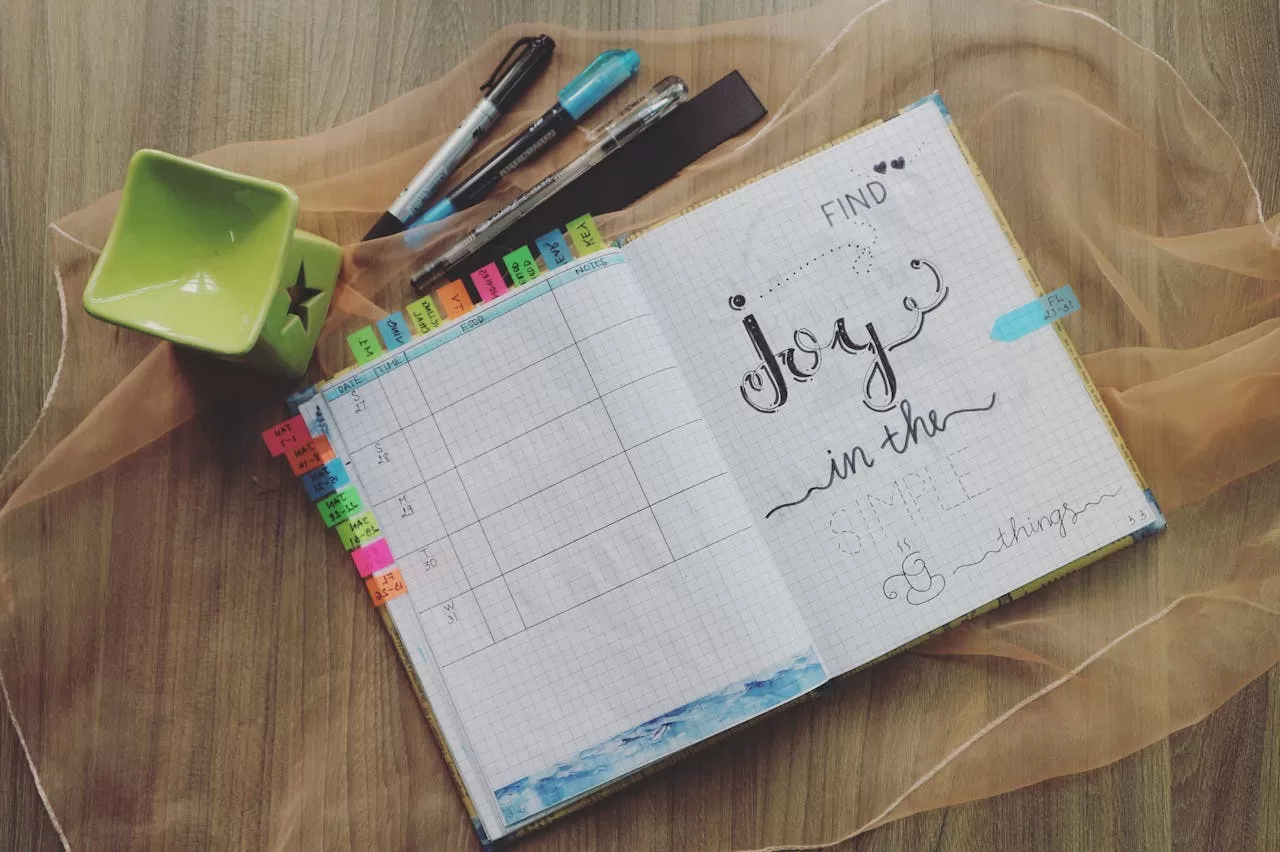
Photo by Bich Tran
Check Progress Each Morning or Night
Start or end your day with a five-minute review. Look at what you finished, what’s left, and anything that didn’t go as planned. A quick check-in helps you see which big things got done and where you made progress.
- Scan for any appointments or deadlines you might have missed.
- Note which tasks took longer or were trickier than expected.
- Celebrate small wins, even if they’re just making dinner or returning a call.
Daily review makes it easier to plan smarter for tomorrow, keeping your energy going where it matters most.
Reprioritize Based on What Matters Today
Each day brings new priorities. What felt urgent on Sunday might not matter by Wednesday afternoon. As you review your task list, bump up tasks tied to new deadlines, emergencies, or family needs.
Try this:
- Move top priority items to the top of your list.
- If something can wait (or is no longer needed), move it down or take it off.
- Use color coding, sticky notes, or bold text to flag items that must get attention right away.
This keeps your task list focused and gives you permission to let go of what’s no longer important.
Make Space for the Unexpected
Even the best-planned week faces surprises. Kids get sick, meetings change, or you just need a break. Leave a little empty space in your schedule each day to catch up or roll with what comes your way.
- Don’t fill every last slot—save 15-30 minutes for “just in case” moments.
- If the day stays calm, use the extra time for self-care or family time.
- Learn to say no or move non-urgent tasks to next week when life gets busy.
Flexible routines help you organize your task list without feeling trapped by it.
Tips for Building a Flexible Routine
Sticking to a daily review doesn’t mean your system has to be rigid—it should fit your real life. Here are some ideas to help you build routines that work no matter what the day brings:
- Attach your review to a habit you already do, like coffee in the morning or after the kids go to bed.
- Use reminders on your phone or planner to prompt your review.
- Involve your family by sharing big updates at dinner or before bedtime.
Creating a routine that flexes keeps you calm, even on days that don’t go as planned. A daily review helps you organize your task list with more balance, leaving room for life’s surprises while always keeping your eye on what matters most.
Practice the Art of Letting Go

Photo by Dmitry Zvolskiy
When you organize your task list, it’s easy to feel like everything has to get done now. Many working moms carry around invisible pressure to finish it all. Here’s a secret: some things can wait, and some can be left off the list entirely. Learning how to let go of non-essential tasks (and the guilt that comes with it) brings you a new level of freedom. You’ll have more space for what matters, more energy for your family, and more calm at the end of the day.
Recognize What Really Matters
Start by asking yourself what absolutely must get done this week. These are the things that move your life, work, or family forward. Anything that doesn’t clearly support your main priorities may not need to happen right now. Treat your weekly task list as flexible, not set in stone.
- Highlight tasks that have real deadlines or strongly affect your family.
- Mark any extras or “nice to haves” for review at the end of the week.
- If your list feels long and stressful, trust your instincts and cut a few things. You’re not lazy, you’re just human.
Letting go can also mean saying no to new requests if they push you past your limits. Setting boundaries helps prevent overwhelm from ever making it onto your list in the first place.
Release the Guilt of an Unfinished List
Most moms want to check off every single item, but real life rarely works that way. Instead of focusing on what didn’t get done, celebrate what you did accomplish, even if it’s only a few key things.
- Keep a “wins” list in the margin of your planner or notebook.
- Remind yourself that “done” is better than perfect and that rest is productive too.
- Talk openly with friends or your partner about letting go of perfection. Everyone faces unfinished lists.
It’s all about making peace with your best effort, not your busiest day.
Set Boundaries to Protect Your Time
It’s not always about removing tasks, but about guarding your most important hours. Clear boundaries give you space for focused work, family, and rest. Protecting your time isn’t selfish—it’s what keeps you balanced over the long run.
Try these simple tactics:
- Let others know when you’re unavailable, like focusing during work hours or family meals.
- Block time in your planner for non-negotiables—maybe that’s self-care, bedtime snuggles, or your morning coffee.
- Say “no” (without guilt) to requests that steal from your main goals for the week.
Letting go is as much about what you choose not to do as it is about what you finish. When you practice this skill, you organize your task list around what you value most—not what others expect. This shift makes your week lighter, your mood brighter, and your time more meaningful.
Conclusion
Simple habits can completely shift the way you organize your task list, leading to smoother days and more time for yourself and your family. Setting clear priorities, breaking tasks into smaller steps, picking a system that fits, batching, daily reviews, and letting go of non-essentials aren’t just productivity tricks—they are real tools that support your sanity and give you more space to enjoy life outside your to-dos.
Every small win builds your confidence. A calm, organized approach shapes not only your week but also your mindset. If you’re ready to focus on what matters for you and your family, turning these strategies into habit will help you find more balance and less chaos.
Keep tuning in for more ways to simplify busy weeks and protect precious family time. For extra inspiration and ways to support your well-being along the way, you might like these self-care tips and advice for moms.
Thanks for reading and giving yourself permission to organize your task list in a way that truly works for you!